
about our goal
Regenerative Agriculture
We believe in farming that restores rather than depletes, fundamentally rethinking agriculture as a system that should regenerate natural resources instead of exhausting them. Through regenerative agriculture, we aim to rebuild and continuously improve soil health by increasing organic matter, stimulating microbial life, and enhancing soil structure so that it can better retain water, cycle nutrients, and support vigorous plant growth. A richer and more active soil biology makes soils naturally more resilient and enables crops to become stronger and better protected against infection diseases, reducing the need for chemical crop protection. Healthy soils form the foundation of this approach, enabling farms to become more productive and resilient over time while significantly lowering dependence on synthetic fertilizers and external chemical inputs.
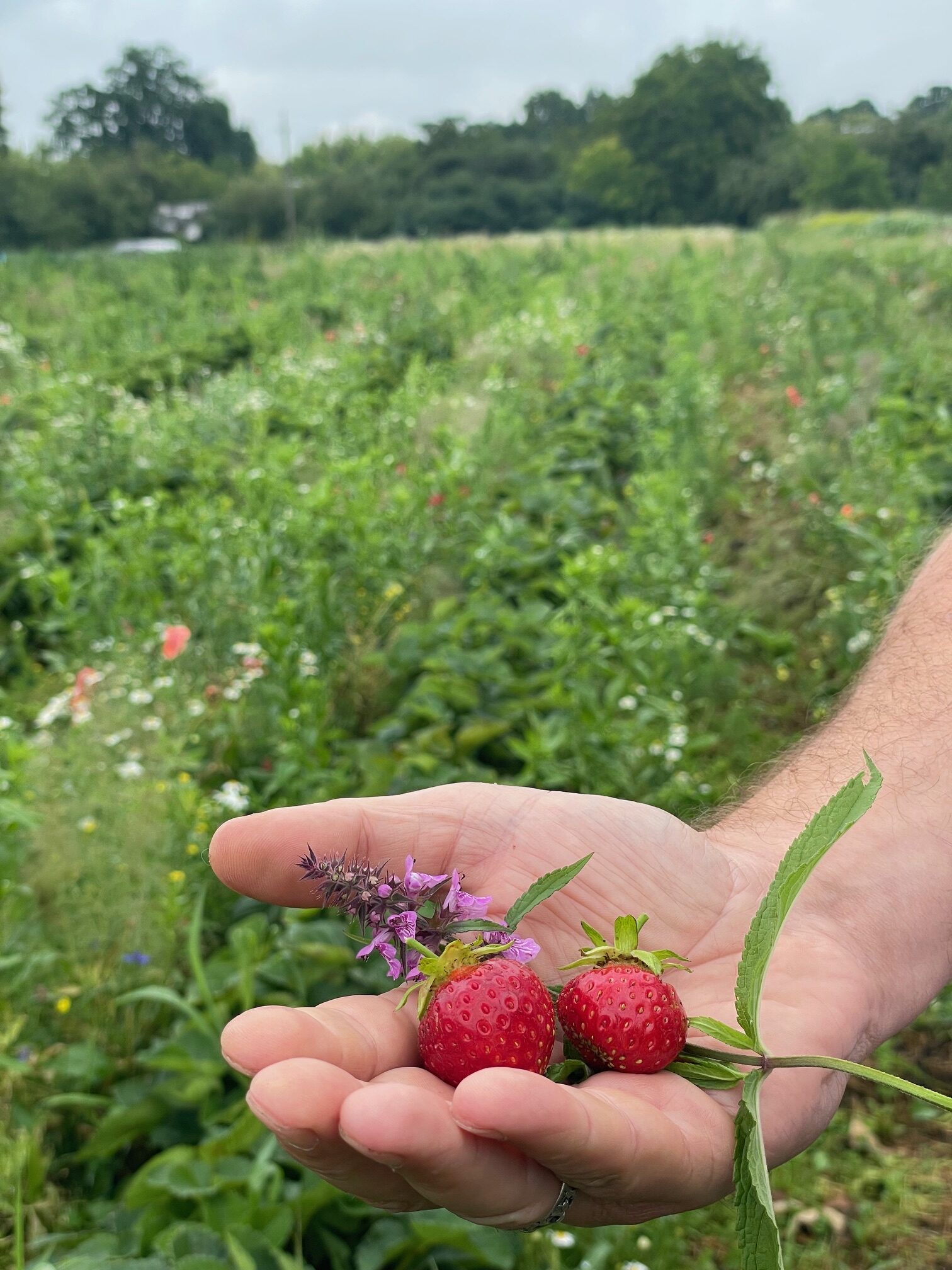
At the same time, we actively work to increase biodiversity across the entire farming system, from the soil microbiome to crops, pollinators, and surrounding ecosystems. By creating diverse and balanced agricultural landscapes, we strengthen natural ecological processes such as pollination, pest regulation, and nutrient cycling. These processes further improve crop resilience and reduce vulnerability to disease and environmental stress, supporting a richer and more stable environment.
Regenerative farming also focuses on building resilience in the face of climate change. Healthier soils and more diverse ecosystems improve water retention during droughts and reduce damage from heavy rainfall or extreme weather events. Enhanced soil biological activity also improves nutrient availability, allowing farmers to reduce fertilizer use while maintaining crop performance. As a result, farms become less dependent on the chemical input industry and better able to manage production risks, while also contributing to climate mitigation through carbon sequestration in soils and perennial vegetation.
Beyond environmental benefits, this approach is equally about people and long-term viability. By working in harmony with nature rather than against it, farmers can reduce input costs, improve farm margins, and strengthen their economic independence. Regenerative agriculture therefore supports farming systems that are not only environmentally sustainable but also financially robust, socially responsible, and capable of supporting future generations of growers. Ultimately, regenerative agriculture represents a shift toward farming that actively restores landscapes, strengthens rural communities, and leaves the land in better condition than it was found.